

2mm mirror glass price
Understanding Dial Bore Gauges A Comprehensive Overview Dial bore gauges are essential tools in precision machining and engineering, primarily used for measuring the internal diameter of a bore or cylindrical workpiece. They provide accurate readings crucial for ensuring that manufactured parts meet specified tolerances. Among various brands available, Snap-on is well-regarded for its high-quality and reliable measuring instruments, including dial bore gauges. What is a Dial Bore Gauge? A dial bore gauge is a precision instrument used to measure the internal diameter of holes or cylinders with high accuracy. Its basic design typically consists of a long, slender shaft, a dial indicator, and adjustable measuring tips. The tips are designed to contact the surface of the bore and expand outward as the gauge is inserted, allowing for precise measurement of the bore's diameter. The operation of a dial bore gauge is straightforward. As the gauge is inserted into the bore, it is carefully adjusted until the measuring tips make contact with the internal surface. The dial indicator displays the reading based on the displacement of the gauge’s tips, giving the user an immediate measurement of the bore’s size. This ensures that manufacturers can maintain strict quality control in their production processes. Why Choose Snap-on Dial Bore Gauges? Snap-on is known for producing high-quality tools, and their dial bore gauges are no exception. Here are several reasons to consider Snap-on for your bore measurement needs 1. Accuracy Snap-on's engineering commitment results in tools that deliver precise measurements, which is crucial for applications requiring strict tolerances. 2. Durability Made from high-quality materials, Snap-on dial bore gauges are designed to withstand the rigors of everyday use in demanding environments, making them a worthwhile investment. 3. User-Friendly Design The ergonomic design of Snap-on gauges makes them easy to handle, ensuring that operators can comfortably use them for prolonged periods while maintaining accuracy. dial bore gauge snap on 4. Versatility Snap-on dial bore gauges come in various ranges and configurations, making them suitable for a wide array of applications across different industries, from automotive to aerospace . 5. Trusted Brand Snap-on is a name synonymous with quality, and many professionals trust the brand for their measuring tools. The reputation of Snap-on can provide peace of mind to operators and companies regarding their measurement integrity. Key Features of Snap-on Dial Bore Gauges Snap-on dial bore gauges are equipped with various features that enhance their functionality - Adjustable Tips They allow for measurements of different bore sizes with precision. Operators can easily switch out tips based on the application requirements. - High-Resolution Dials The dials often feature easy-to-read increments that allow for quick and accurate readings. - Zeroing Function This enables users to calibrate the gauge before taking measurements, ensuring accuracy every time. - Storage and Portability Snap-on gauges often come with cases for safe storage and easy transport, making them suitable for fieldwork and shop environments alike. Conclusion In conclusion, dial bore gauges, particularly from reputable brands like Snap-on, play an indispensable role in the machining and manufacturing industries. Their combination of accuracy, durability, and user-friendly design makes them a top choice for professionals. Whether you're measuring the internal diameters of engine cylinders, hydraulic components, or other critical parts, a Snap-on dial bore gauge ensures that you maintain the highest standards of quality and precision in your work. Investing in such tools is not just about making measurements—it's about building reliability and trust in manufactured products.
about
2mm mirror glass price
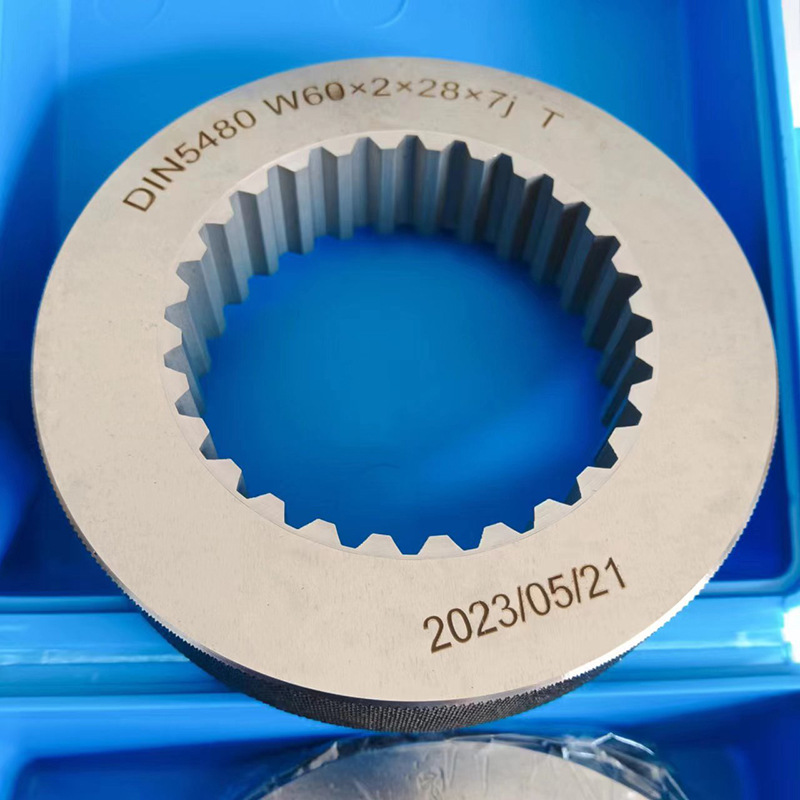
In precision engineering and manufacturing, accurate measurement is crucial. One of the most essential tools used for ensuring the correct sizing of parts is the ring gauge. Ring gauges are highly effective in measuring the external diameter of a component or a workpiece, ensuring that the dimensions meet the required tolerances. This article delves into the fundamental aspects of ring gauge measurement, its types, applications, and its importance in quality control processes. What is a Ring Gauge? A ring gauge is a cylindrical tool used to measure the external dimensions of a part, specifically the diameter, by determining whether the workpiece fits within or outside the gauge's interior or exterior surfaces. It is primarily used in manufacturing industries for checking the size and tolerance of components like shafts, bolts, and other cylindrical parts. Internal Ring Gauges: These have an internal diameter and are used to measure the external dimensions of a part. External Ring Gauges: These have an outer diameter and are used to check the internal dimensions of a hole or bore. The gauge itself is made with high precision to ensure the accurate measurement of the part in question. Types of Ring Gauges and Their Applications Ring gauges come in several different types, each serving a specific purpose based on the measurements they are designed to handle. Fixed Limit Ring Gauges These gauges have a single, fixed tolerance limit and are used to determine whether a part is within the specified limits for its size. Application: Commonly used in quality control and inspection, ensuring that components meet the required specifications. Adjustable Ring Gauges These offer flexibility by allowing adjustments in the gauge's size to accommodate different tolerances. Application: Used in situations where frequent changes in size are necessary or when testing parts with varying dimensions. Go/No-Go Ring Gauges These gauges are designed to test if a part fits within the "go" and "no-go" limits. Application: Essential in production lines for quick, pass/fail checks without the need for precise measurements. Master Ring Gauges These are used as reference standards to calibrate other gauges or measuring instruments. Application: Crucial in ensuring that other gauges are providing accurate measurements during manufacturing. How is Ring Gauge Measurement Performed? The process of ring gauge measurement involves placing a component into the gauge and checking for its fit. The gauge either passes or fails based on whether the component is within the specified dimensions. For External Ring Gauges: The component is inserted into the ring gauge, and if it fits perfectly, the component meets the required size. For Internal Ring Gauges: The component is placed inside the ring gauge to check whether its outer diameter is within the tolerance limits. The accuracy of ring gauge measurements is critical, as even a small deviation can result in improper fitment or functionality of the component. Therefore, regular calibration of the ring gauge is essential to maintain its precision. Importance of Ring Gauge Measurement in Quality Control Ring gauges play a pivotal role in quality control processes across various industries, including automotive, aerospace, and electronics. The precise measurement of parts ensures: Consistency: Ring gauges help maintain consistency in manufacturing, ensuring that all parts meet the required specifications. Reduced Error: By using ring gauges, manufacturers can avoid errors associated with manual measurements, improving overall efficiency. Increased Productivity: With quick and reliable measurements, production lines can operate smoothly without delays due to faulty parts. Compliance with Standards: Accurate measurements help in adhering to international and industry-specific standards, which is crucial for maintaining certifications and meeting customer expectations. Challenges in Ring Gauge Measurement While ring gauges are effective tools, they do come with certain challenges that need to be addressed: Wear and Tear: Over time, ring gauges can wear out, causing them to lose their precision. Regular calibration and maintenance are required to ensure they maintain their accuracy. Temperature Sensitivity: Measurements can be affected by temperature fluctuations. It is important to perform measurements under controlled conditions. Measurement Tolerance: The accuracy of the measurement depends on the tolerance of the ring gauge. A high tolerance gauge is required for precise measurements in critical applications. In summary, ring gauge measurement is a crucial aspect of precision manufacturing, ensuring that parts fit within specified dimensions and tolerances. The proper use of ring gauges, whether they are internal or external, adjustable or fixed, is vital for maintaining quality control standards. As industries continue to demand higher levels of accuracy, the role of ring gauges in ensuring the reliability and precision of parts will only grow more important. Regular calibration, proper maintenance, and attention to environmental factors are essential to ensure accurate and consistent results. For manufacturers looking to enhance their quality control processes, investing in high-quality ring gauges and understanding their proper usage can lead to improved product consistency, reduced waste, and increased customer satisfaction.
-

High quality industrial productsagement

High quality industrial products
View Details -

Meet the diverse needs of customers

Meet the diverse needs of customers
View Details -

Strict quality control

Strict quality control
View Details -

Top raw materials

Top raw materials
View Details -

Trusted supplier

Trusted supplier
View Details
Our application

news and information

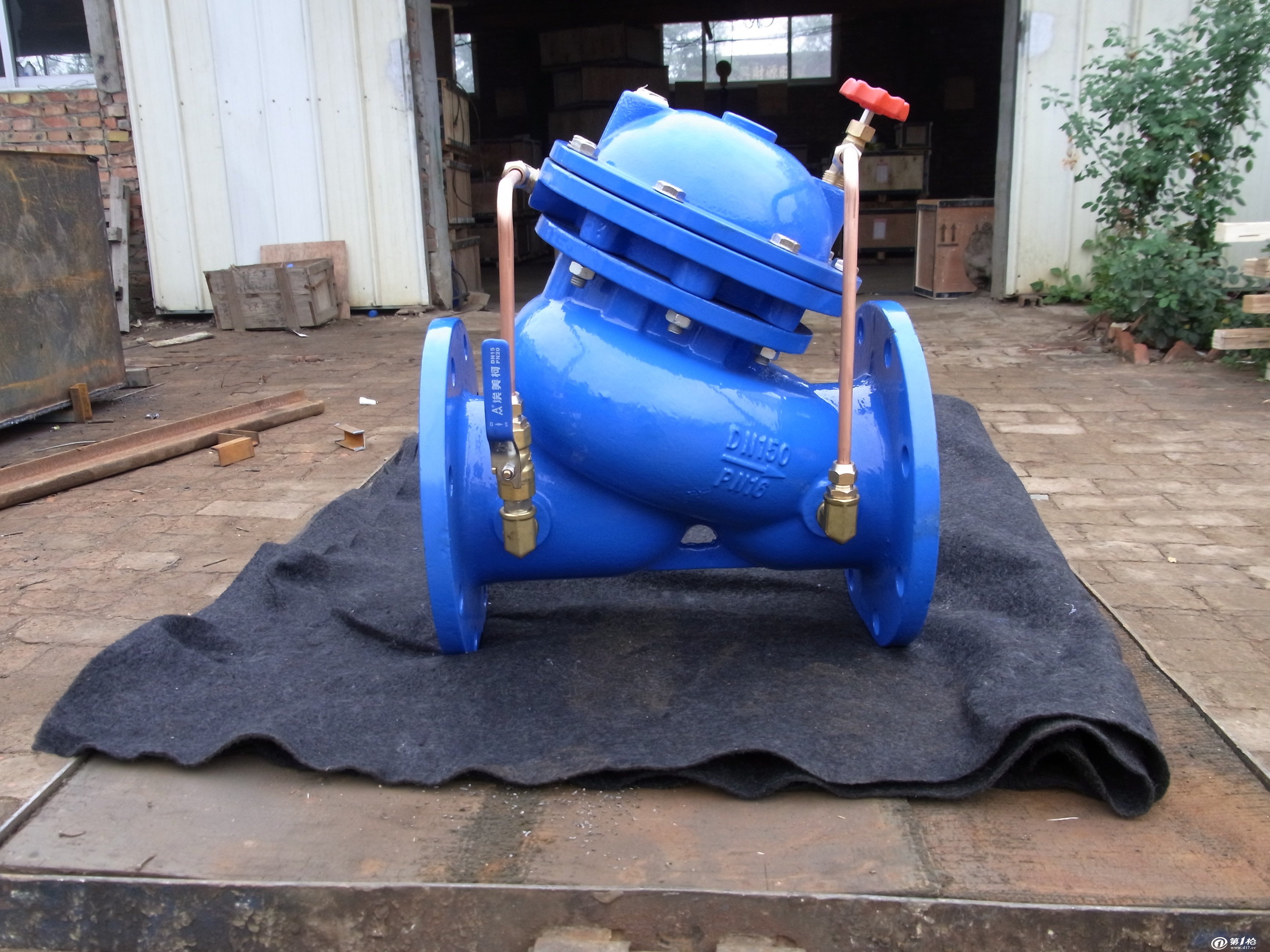
Water Hose Control Valve for Efficient Irrigation and Gardening Solutions
Understanding the Water Hose Valve A Key Component for Efficient Water Management When it comes to g
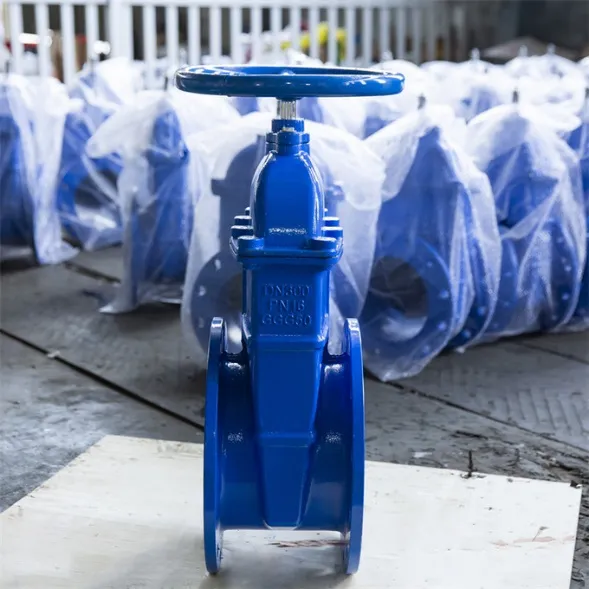
Using Pin Go-No Go Gauge for Precision Measurement in Manufacturing Applications
Understanding the Pin Go/No-Go Gauge A Key Tool in Quality Control In the realm of manufacturing and
valve ng liquid transfer check
Liquid Transfer Check Valve Isang Mahalagang Komponent sa Fluid Handling Systems Sa mundo ng industr
 English